Silva
Silva Sweden stellt Marinekompasse, Peilkompasse, Kompasszubehör und Marineferngläser für Segelboote, Motorboote und kleinere Wasserfahrzeuge her. Das Silva Sortiment ist besonders relevant für Segler, die neben elektronischer Navigation eine zuverlässige magnetische Kursreferenz benötigen, mit Optionen für Schott-, bündigen, Bügel- und Podesteinbau je nach Cockpitlayout, Steuerposition und erforderlicher Ablesbarkeit. Lesen Sie unten mehr.
|
|
|
|
|
|
|
|
|
|
|
|
|
|
|
|
|
|
|
|
|
|
|
|
|
Silva Sweden Segelkompasse & Marine-Navigationsausrüstung
Silva ist im Segelsport vor allem für sein Sortiment an Marinekompassen bekannt. Obwohl GPS, Kartenplotter und Instrumente heute auf den meisten Yachten Standard sind, bleibt ein korrekt installierter Magnetkompass eine wichtige unabhängige Kursreferenz. Er ist nicht auf Batteriestrom, Satellitenempfang oder vernetzte Elektronik angewiesen, was ihn sowohl für die tägliche Küstennavigation als auch als Backup-Navigation nützlich macht.
Das Silva Segelsortiment umfasst mehrere verschiedene Kompassformate. Kompakte Modelle wie der Silva 70P und Silva 85 eignen sich für kleinere Boote, Dinghys, Kajaks und beengte Cockpitbereiche. Größere 100-mm- und 125-mm-Modelle eignen sich besser für Yachten, auf denen der Kompass vom Steuerstand, von der Reling oder aus stehender Steuerposition gut ablesbar sein muss. Für Yachten mit Radsteuerung bietet ein auf dem Steuerpodest montiertes Modell wie der Silva 125T eine klare zentrale Referenz, während bündig montierte Modelle wie der Silva 125FTC für den versenkten Einbau in ein Cockpitpanel oder eine Konsole ausgelegt sind.
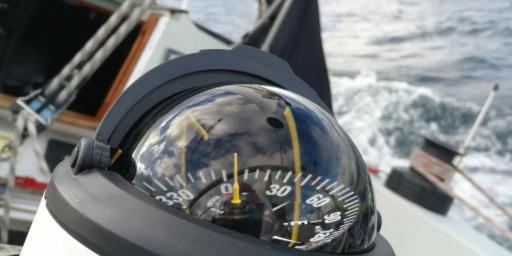
Silva Sweden Bootskompasse für präzises Kurssteuern
Bei der Wahl eines Silva Kompasses für ein Segelboot sind die wichtigsten technischen Punkte Einbauposition, Kartendurchmesser, Krängungswinkel, Ablesbarkeit und Kompensation. Schottmontierte Modelle wie der Silva 100B/H, 102B/H und 125B/H werden häufig auf Segelyachten verwendet, bei denen der Kompass in eine vertikale Cockpitfläche eingebaut wird. Der Silva 100P ist ein frontablesbarer Kompass, der sich auch für Mast- oder Schottmontage eignet, wenn der Rudergänger den Kurs aus verschiedenen Positionen ablesen muss. Größere 125-mm-Modelle bieten bessere Sichtbarkeit über größere Ablesedistanzen und eignen sich besser für größere Cockpits.
Segelanwendungen stellen auch besondere Anforderungen an die Stabilität des Kompasses. Eine Yacht kann stark krängen, in Wellen stampfen und aus einer außermittigen Position gesteuert werden. Silva Marinekompasse verwenden gedämpfte Kompassrosen, Steuerstriche und kardanische Lagerungen bei entsprechenden Modellen, um auch unter raueren Bedingungen gut ablesbare Kursinformationen zu liefern. Viele Modelle verfügen außerdem über oder unterstützen eine Beleuchtung für Nachtfahrten, während ausgewählte Modelle eine Kompensation zur Verringerung magnetischer Ablenkung durch Bordausrüstung bieten.
Silva Kompasszubehör ist wichtig, wenn eine bestehende Installation ersetzt, gewartet oder aufgerüstet wird. Abdeckungen schützen den Kompass vor UV-Strahlung und Cockpitverschleiß, Beleuchtungssätze verbessern die Ablesbarkeit bei Nacht, und Kompensatoren können helfen, lokale magnetische Störungen zu korrigieren. Für Segler, die einen älteren Silva Kompass ersetzen, ist es wichtig, vor der Bestellung Modell, Einbauausschnitt, Skalengröße und Zubehörkompatibilität zu prüfen.
Zusätzlich zu Kompassen umfasst das Silva Marine-Sortiment die Eterna Marine- und Eterna Navigator-Ferngläser. Diese sind relevant für die Küstennavigation, die Identifizierung von Seezeichen, die Wache und den allgemeinen Einsatz an Deck. Ein 7x50-Marinefernglasformat wird an Bord häufig verwendet, weil es auf einer bewegten Plattform ein stabiles Bild liefert und eine bessere Lichtaufnahme als kleinere Linsen bietet.
Den richtigen Silva Kompass wählen
Silva Produkttyp | Typischer Einsatz an Bord | Hinweise zur technischen Auswahl |
|---|---|---|
| Silva 70P / Kompaktkompasse | Kleine Boote, Dinghys, kompakte Cockpits | Nützlich, wenn der Einbauraum begrenzt ist und der Kompass aus kurzer Entfernung abgelesen wird. |
| Silva 70UN / 70UNE | Peilkompass und flexible Steuerkompass-Nutzung | Geeignet, wenn ein abnehmbarer oder tragbarer Peilkompass benötigt wird. |
| Silva 100P | Schott- oder mastmontierter Segelbootkompass | Frontablesung, mehrere Steuerstriche und kompakte Abmessungen machen ihn für verschiedene Steuerpositionen geeignet. |
| Silva 100B/H / 102B/H | Schottmontierter Yachtkompass | Gute Option für Segelboote, bei denen der Kompass in ein vertikales Cockpitschott eingebaut wird. |
| Silva 125B/H | Größerer schottmontierter Kompass | Bessere Ablesbarkeit für größere Cockpits sowie sitzende oder stehende Rudergängerpositionen. |
| Silva 125T | Podestkompass | Ausgelegt für Installationen auf dem Steuerpodest oder auf radgesteuerten Yachten. |
| Silva 125FTC | Bündig montierter Kompass | Geeignet für versenkten Einbau in Panel oder Konsole, wenn eine flache Installation erforderlich ist. |
| Silva Kompasszubehör | Wartung und Installation | Umfasst je nach Modellkompatibilität Abdeckungen, Beleuchtungen, Montagesätze und Kompensatoren. |
| Silva Eterna Marine / Navigator | Marineferngläser | Für visuelle Navigation, Wache, Tonnenidentifikation und Küstennavigation. |
Häufig gestellte Fragen
Welcher Silva Kompass ist am besten für ein Segelboot geeignet?
Welcher Silva Kompass am besten geeignet ist, hängt von Bootsgröße, Einbauposition und dem Abstand zwischen Kompass und Steuerstand ab. Für kleinere Boote eignen sich kompakte Modelle wie der 70P oder 85, während größere Yachten im Allgemeinen von einer 100-mm- oder 125-mm-Kompassrose profitieren. Radgesteuerte Yachten verwenden oft einen Podestkompass wie den 125T, während Installationen im Cockpitpanel einen bündig montierten Kompass wie den 125FTC erfordern können.
Brauche ich noch einen Magnetkompass, wenn ich GPS habe?
Ja. Ein GPS oder Kartenplotter ist nützlich für Position, Kurs über Grund und Routenplanung, aber er ist auf Strom, Satelliten und elektronische Systeme angewiesen. Ein Magnetkompass bietet eine unabhängige Kursreferenz und bleibt wertvoll für Backup-Navigation, das Steuern eines Kurses und die Überprüfung, ob elektronische Kursdaten plausibel sind.
Was ist der Unterschied zwischen einem Schott-, bündig montierten und Podestkompass?
Ein Schottkompass wird in eine vertikale Cockpitfläche eingebaut. Ein bündig montierter Kompass wird in ein flaches Panel oder eine Konsole eingelassen, um eine flache Installation zu ermöglichen. Ein Podestkompass wird auf oder nahe dem Steuerpodest montiert, üblicherweise auf größeren radgesteuerten Yachten, auf denen der Kompass vom Steuerstand aus sichtbar sein muss.
Was ist Kompassablenkung?
Kompassablenkung ist der Fehler, der durch magnetische Einflüsse auf dem Boot verursacht wird, etwa durch Lautsprecher, Elektronik, Werkzeuge, Stahlkomponenten oder Verkabelung in der Nähe des Kompasses. Sie unterscheidet sich von der Missweisung, also dem Unterschied zwischen magnetischem Norden und geografischem Norden. Ein Kompensator kann die Ablenkung verringern, der Kompass sollte aber nach der Installation dennoch überprüft werden.
Warum ist der Krängungswinkel bei einem Segelkompass wichtig?
Segelboote fahren mit deutlichen Krängungswinkeln, daher muss der Kompass auch bei gekrängtem Boot ablesbar bleiben. Deshalb sollten Segler die Modellspezifikation, das Design der Kompassrose, die Steuerstriche und die kardanische Lagerung prüfen, statt nur nach Preis oder Durchmesser zu wählen.
Kann ich Teile an einem Silva Kompass ersetzen?
Viele Silva Kompassinstallationen können mit kompatiblem Zubehör wie Abdeckungen, Beleuchtungen, Montagesätzen und Kompensatoren instand gehalten werden. Die Kompatibilität hängt vom jeweiligen Kompassmodell ab, daher sollten vor der Bestellung von Ersatzteilen die vorhandene Modellnummer und die Installationsart geprüft werden.
Sind Silva Marineferngläser zum Segeln geeignet?
Silva Eterna Marine- und Eterna Navigator-Ferngläser sind für den Einsatz auf See ausgelegt. Sie sind nützlich zur Identifizierung von Tonnen, Hafeneinfahrten, Seezeichen und anderen Fahrzeugen. Die Eterna Navigator-Version ist besonders relevant, wenn ein eingebauter Kompass für das Nehmen von Peilungen vom Deck aus nützlich ist.

To install this Web App in your iPhone/iPad press
 and then Add to Home Screen.
