Pinnenausleger
Pinnenausleger sind ein entscheidender Bestandteil von Steuersystemen auf kleinen Booten und Performance-Yachten und ermöglichen eine präzise Ruderkontrolle aus einer optimalen Segelposition. Diese Kategorie umfasst feste und teleskopische Pinnenausleger in Aluminium- und Carbon-Ausführung, die auf ein ausgewogenes Verhältnis von Steifigkeit, Gewicht und Haltbarkeit ausgelegt sind. Die Auswahl hängt von Bootstyp, Cockpit-Geometrie und Steuerlasten ab, wobei geeignete Gelenksysteme und Befestigungsbeschläge für einen zuverlässigen Betrieb unerlässlich sind. Mehr lesen ...


Pinnenausleger werden auf Jollen, Sportbooten und kleineren Kielbooten широко eingesetzt, um eine effektive Steuerung bei gleichzeitig korrekter Crew-Positionierung zu ermöglichen. Durch die Verlängerung der Reichweite der Pinne kann der Steuermann auch beim Ausreiten oder bei dynamischen Bewegungen im Cockpit präzise steuern, was sowohl die Kontrolle als auch die Effizienz des Segeltrims verbessert.
Länge und Dimensionierung von Pinnenauslegern
Die Wahl der richtigen Länge des Pinnenauslegers ist eine der wichtigsten Überlegungen. Grundsätzlich sollte die Verlängerung es dem Steuermann ermöglichen, aus der Ausreitposition komfortabel zu steuern, ohne sich zu weit strecken zu müssen oder das Gleichgewicht zu beeinträchtigen. Kürzere Pinnenausleger werden typischerweise in beengten Cockpits oder dort verwendet, wo nur eingeschränkte Bewegungen erforderlich sind, während längere Ausführungen im Regattaeinsatz bevorzugt werden, wenn maximale Bewegungsfreiheit und Hebelwirkung benötigt werden. Teleskopische Pinnenausleger bieten zusätzliche Flexibilität, da sie sich an unterschiedliche Crew-Positionen und Segelbedingungen anpassen lassen.
Feste vs. teleskopische Pinnenausleger
Feste Pinnenausleger bieten eine einfache, leichte und mechanisch robuste Lösung mit geringem Wartungsaufwand. Sie werden häufig in Jollenklassen eingesetzt, in denen Konstanz und geringes Gewicht im Vordergrund stehen. Teleskopische Pinnenausleger-Modelle ermöglichen dagegen eine Längenverstellung während des Einsatzes und sind besonders nützlich auf Booten mit variablem Cockpit-Layout oder gemischter Nutzung zwischen Fahrtensegeln und Regatta. Der Kompromiss liegt in einer leicht erhöhten Komplexität und potenziellem Verschleiß in den Verstellmechanismen.
Aluminium- vs. Carbon-Pinnenausleger
Die Materialwahl beeinflusst direkt die Steifigkeit, das Gewicht und die Haltbarkeit. Pinnenausleger aus Aluminium sind in der Regel schlagfester und kosteneffizienter und eignen sich daher gut für Training, Fahrtensegeln oder Umgebungen mit intensiver Nutzung. Ausleger aus Carbonfaser bieten ein deutlich besseres Verhältnis von Steifigkeit zu Gewicht, reduzieren die Biegung unter Last und liefern ein direkteres Steuergefühl. Das ist besonders im Performance-Segeln relevant, wo präzise Rudereingaben erforderlich sind.
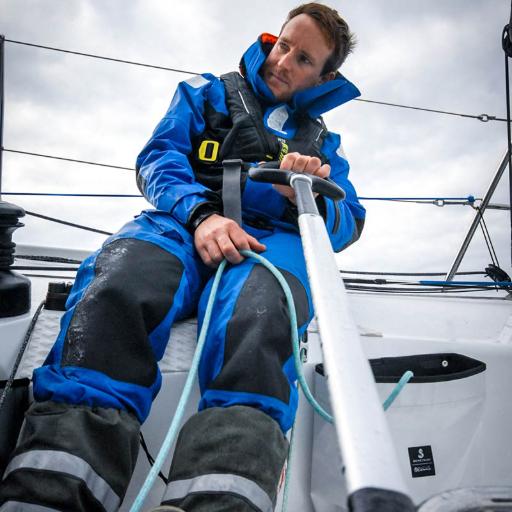
Spinlock Pinnenausleger
Kardangelenke und Befestigungssysteme
Die Verbindung zwischen Pinne und Ausleger wird typischerweise über ein Kardangelenk hergestellt, das häufig aus Gummi oder Elastomer-Verbundwerkstoffen gefertigt ist. Dieses Gelenk ermöglicht Bewegungen in mehreren Achsen bei gleichzeitig direkter mechanischer Verbindung. Mit der Zeit unterliegen diese Komponenten UV-bedingter Alterung und mechanischer Ermüdung, wodurch sie zu den wichtigsten Verschleißteilen in einem Pinnenausleger-System zählen. Die meisten Konstruktionen verwenden standardisierte Befestigungsstifte oder Aufnahmen, was einen relativ einfachen Austausch und die Kompatibilität zwischen verschiedenen Marken ermöglicht.
Handling, Ergonomie und Kontrolle
Der Durchmesser und die Griffoberfläche des Pinnenauslegers beeinflussen Komfort und Kontrolle, insbesondere bei längeren Steuerphasen. Größere Durchmesser können den Griff bei Offshore-Einsätzen oder bei Verwendung mit Handschuhen verbessern, während kleinere Durchmesser im Regattasport oft wegen des geringeren Gewichts und der höheren Sensibilität bevorzugt werden. Ebenso wichtig ist die Steifigkeit, da übermäßige Biegung die Steuerpräzision verringern kann, besonders bei höheren Lasten.
Wartung und Service von Pinnenauslegern
Eine regelmäßige Inspektion des Kardangelenks, der Befestigungsbeschläge und der Rohrstruktur wird empfohlen. Risse, Verlust an Steifigkeit oder sichtbarer Verschleiß im Gelenk sollten umgehend behoben werden, um ein Versagen unter Last zu vermeiden. Ersatzgelenke und Befestigungshardware sind weit verbreitet verfügbar und sollten als Teil der routinemäßigen Wartung betrachtet werden, insbesondere in Umgebungen mit hoher UV-Belastung oder hohen Lasten.
Wichtige Marken und technische Konzepte bei Pinnenauslegern
Diese Kategorie umfasst Pinnenausleger von etablierten Herstellern wie Ronstan, Spinlock, Wichard und Harken, die jeweils unterschiedliche technische Ansätze bei Materialien, Gelenksystemen und Ergonomie bieten.
Ronstan Pinnenausleger werden in vielen Jollen- und kleinen Kielbootklassen eingesetzt und decken mit ihrem breiten Sortiment sowohl Aluminium- als auch Carbon-Konstruktionen ab. Das Programm umfasst feste und teleskopische Optionen, die typischerweise mit Kardangelenken aus Gummi und standardisierten Beschlägen kombiniert werden, wodurch sie eine praktische Wahl sowohl für OEM-Ersatz als auch für System-Upgrades sind.
Spinlock konzentriert sich in erster Linie auf leistungsorientierte Verbundkonstruktionen, mit Schwerpunkt auf Carbonfaserrohren, Leichtbau und ausgefeilter Griff-Ergonomie. Spinlock Pinnenausleger werden häufig für Regattaanwendungen spezifiziert, bei denen Steifigkeit und Gewichtsreduzierung Priorität haben. Spinlock-Systeme integrieren zudem proprietäre Gelenkdesigns und Griffoberflächen, die die Kontrolle unter Last verbessern sollen.
Harken Pinnenausleger sind auf die Integration in ihr breiteres Deckshardware-Ökosystem ausgelegt und legen den Fokus auf Zuverlässigkeit und konstante mechanische Leistung. Ihre Produkte verwenden typischerweise robuste Kardangelenke und bewährte Befestigungsstandards, wodurch sie sich sowohl für Performance- als auch für Fahrtenanwendungen eignen, bei denen Haltbarkeit und Wartungsfreundlichkeit entscheidende Faktoren sind.
Wichard Pinnenausleger bieten Lösungen mit Fokus auf mechanische Integrität und Materialqualität, passend zu ihrem umfassenderen Portfolio aus Edelstahl- und Decksbeschlägen. Ihre Konstruktionen priorisieren Festigkeit und langfristige Haltbarkeit, insbesondere in anspruchsvolleren maritimen Umgebungen, und werden häufig dort gewählt, wo Robustheit und Korrosionsbeständigkeit die wichtigsten Anforderungen sind.
Markenübergreifend bleibt die Kompatibilität von Gelenken, Befestigungssystemen und Ersatzteilen ein wichtiger Faktor, insbesondere bei der Integration in bestehende Pinnenbeschläge oder beim Aufrüsten einzelner Komponenten innerhalb eines Steuersystems.

To install this Web App in your iPhone/iPad press
 and then Add to Home Screen.
