Unimer Marine
Unimer Marine fabrica compensadores de amarre de goma diseñados para reducir las cargas de impacto en los cabos de amarre de yates. La gama incluye U-Cleat, Smart Snubber, Inline, Classic y compensadores de amarre estándar, cubriendo configuraciones de amarre permanentes, temporales y desmontables. Para los navegantes, la ventaja clave es la elasticidad controlada: reduce los tirones bruscos sobre cabos de amarre, cornamusas, guías, herrajes de cubierta y pantalanes sin introducir muelles metálicos ni herrajes ruidosos. Más información a continuación...
|
|
|
|
|
|
|
|
|
|
|
|
|
|
|
|
|
|
|
|
|
|
|
Absorción de impactos Unimer Marine para cabos de amarre de yates
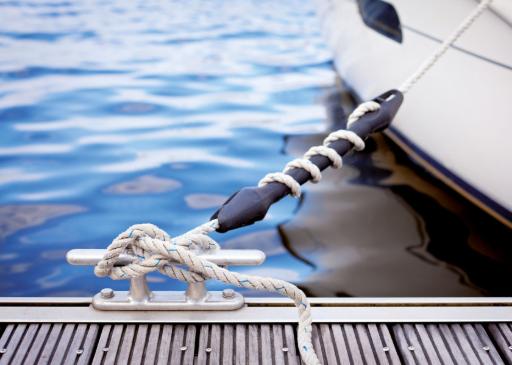
Las cargas de amarre rara vez son estáticas. Los cambios de viento, el oleaje de estela, el movimiento de la marea y los pantalanes flotantes generan picos de carga cortos y bruscos en el sistema de amarre. Un compensador de amarre bien dimensionado actúa como un elemento elástico en el cabo, reduciendo las cargas bruscas antes de que se transmitan a las cornamusas, escobenes, guías de amarre y estructura de cubierta del yate. Unimer Marine se centra en este problema específico con una gama de compensadores de amarre de goma para veleros, embarcaciones a motor y amarres de marina.
A diferencia de un simple cabo de amarre por sí solo, un compensador de goma introduce una elasticidad controlada en el sistema. Esto ayuda a reducir los picos de carga, los tirones en el cabo y los golpes repetitivos contra el atraque. En comparación con los muelles metálicos de amarre convencionales, los compensadores de goma son más silenciosos, más ligeros y menos propensos a introducir puntos de contacto duros contra la embarcación o el pantalán. Unimer describe sus productos marinos como alternativas de plástico y goma a los equipos de amarre convencionales, diseñadas para amortiguar las cargas de impacto y los tirones, al tiempo que ayudan a proteger los cabos de amarre.
¿Qué compensador de amarre Unimer Marine deberías elegir?
El compensador de amarre Unimer Marine correcto depende de cómo se use el cabo, de si el compensador debe ser desmontable y de si el cabo ya tiene una gaza empalmada o guardacabos.
Para líneas de amarre permanentes, el compensador de amarre estándar Unimer es la solución más convencional. El cabo se enrolla alrededor del cuerpo del compensador para crear recorrido elástico y absorción de impactos. Los compensadores estándar de Unimer utilizan un principio de bloqueo en forma de cuña y elementos internos diseñados para reducir el deslizamiento y el roce, lo que los hace adecuados para líneas de atraque fijas donde el compensador permanece instalado durante largos periodos.
El Unimer U-Cleat es más flexible porque puede montarse directamente sobre un cabo de amarre sin necesitar un chicote libre. Esto es especialmente útil para cabos con gazas empalmadas, guardacabos o terminales prefabricados. El U-Cleat utiliza un mecanismo de bloqueo desmontable y está fabricado en goma EPDM con insertos reforzados de poliamida. Para propietarios de yates que quieran mover los compensadores entre cabos, retirarlos para lavar la cuerda o adaptarlos a amarras existentes, esta suele ser la opción más práctica.
El Unimer Smart Snubber está diseñado para una absorción de impactos rápida, temporal o complementaria. Se fija directamente al cabo sin requerir un extremo libre, lo que lo hace útil para puertos de visitantes, amarres de corta duración, snubbers de fondeo o para añadir amortiguación extra cuando cambian las condiciones. Unimer afirma que el efecto de amortiguación puede ajustarse instalando más Smart Snubbers en el mismo cabo.
Comparativa de Unimer U-Cleat, Smart Snubber, Inline y Classic
| Producto Unimer Marine | Mejor aplicación | Ventaja técnica |
|---|---|---|
| Compensador de amarre U-Cleat | Cabos de amarre existentes, cabos con gaza empalmada, instalaciones desmontables | Se monta sin un chicote libre; puede retirarse, recolocarse o transferirse entre cabos |
| Smart Snubber | Puertos de visitantes, fondeo, amortiguación temporal, ajuste rápido | Se fija directamente al cabo; pueden utilizarse varias unidades para aumentar la absorción de impactos |
| Compensador de amarre estándar | Cabos permanentes de atraque en marina | Absorción de impactos tradicional en goma con el cabo enrollado alrededor del cuerpo del compensador |
| Compensador de amarre Inline | Instalaciones compactas donde el estiba o el trazado del cabo importan | El cabo discurre a lo largo del compensador, manteniendo el sistema compacto |
| Compensador de amarre Classic | Sustitución simple y tradicional del muelle de amarre de goma | Formato compacto de goma para una amortiguación elástica más silenciosa |
Dimensionado de compensadores de amarre Unimer Marine
El dimensionado correcto es importante. Un compensador demasiado pequeño puede sobrecargarse o deformarse en exceso; uno demasiado grande puede no proporcionar suficiente recorrido útil con cargas normales de amarre. La selección debe basarse en el diámetro del cabo de amarre, el desplazamiento de la embarcación, la exposición del atraque y si el cabo se utiliza como largo de proa, largo de popa o spring.
Como regla práctica, dimensiona el compensador según el diámetro real del cabo y usa un dimensionado más conservador para atraques expuestos, yates más pesados o cabos que sufran con regularidad estela y movimiento de surge. Unimer publica opciones de tamaño en toda la gama, incluidos tamaños U-Cleat para cabos de 10–12mm, 12–16mm y 16–20mm, y versiones Smart Snubber para cabos de hasta 16mm y hasta 20mm.
| Diámetro del cabo | Opciones relevantes de Unimer Marine |
|---|---|
| 8–10mm | Compensador de amarre Inline, según disponibilidad del producto |
| 10–12mm | U-Cleat, compensador de amarre estándar, Classic |
| 12–16mm | U-Cleat, Smart Snubber, compensador de amarre estándar, Classic |
| 16–20mm | U-Cleat, Smart Snubber, Inline, compensador de amarre estándar |
| 20–24mm | Opciones más grandes de compensador de amarre estándar |
¿Por qué usar un compensador de amarre de goma?
Un compensador de amarre de goma no es solo un accesorio de confort. En un yate, cada carga de impacto tiene un camino de carga: cabo, empalme, guía, cornamusa, placa de refuerzo, laminado de cubierta y, por último, la estructura de la embarcación. Reducir los picos de carga ayuda a proteger todo el sistema. Esto es especialmente relevante en pantalanes flotantes, atraques de marina expuestos, amarres a popa y situaciones en las que la estela de paso provoca tirones repetidos en los cabos.
Los compensadores de goma también son útiles donde el ruido importa. Los muelles metálicos pueden chirriar, vibrar o marcar superficies cercanas, mientras que los compensadores de goma proporcionan una amortiguación más silenciosa con menos puntos de contacto duros. Para los propietarios de embarcaciones con mentalidad técnica, los principales criterios de selección deben ser el diámetro del cabo, el método de instalación, el rango de carga previsto, la facilidad de desmontaje y si el compensador permanecerá instalado de forma permanente o se usará solo cuando sea necesario.
Sección de preguntas frecuentes sugerida
¿Qué hace un compensador de amarre Unimer Marine?
Un compensador de amarre Unimer Marine añade elasticidad controlada a un cabo de amarre. Esto ayuda a reducir las cargas de impacto causadas por el viento, la estela, la marea o el movimiento del pantalán antes de que esas cargas lleguen a las cornamusas, guías y herrajes de cubierta del yate.
¿Cuál es la diferencia entre Unimer U-Cleat y Smart Snubber?
El U-Cleat es un compensador de amarre desmontable diseñado para una amortiguación más sustancial del cabo y puede montarse en cabos existentes sin un extremo libre. Smart Snubber es un snubber compacto de clip para una absorción de impactos rápida, temporal o complementaria.
¿Puede montarse Unimer U-Cleat en cabos de amarre con gaza empalmada?
Sí. La principal ventaja del U-Cleat es que puede montarse sin un chicote libre, lo que lo hace adecuado para cabos con gazas empalmadas, guardacabos o extremos preterminados.
¿Qué tamaño de compensador de amarre Unimer necesito?
Elige primero por diámetro del cabo de amarre y luego considera el tamaño del yate y la exposición del atraque. Los rangos de tamaño habituales de Unimer incluyen 10–12mm, 12–16mm y 16–20mm para U-Cleat, con opciones Smart Snubber para cabos de hasta 16mm y hasta 20mm.
¿Son adecuados los compensadores Unimer Marine para líneas de amarre permanentes?
Sí, según el modelo. Los compensadores Standard, Classic e Inline son muy adecuados para líneas de amarre permanentes o semipermanentes, mientras que U-Cleat y Smart Snubber son útiles cuando la desmontabilidad o el montaje rápido son importantes.

To install this Web App in your iPhone/iPad press
 and then Add to Home Screen.
