Jefa Steering
Jefa Steering systems are widely specified in modern sailing yachts for their engineered approach to low-friction steering, self-aligning rudder bearings, and integrated autopilot compatibility. This category includes Jefa rudder bearings, steering systems, pedestals, and drive components designed for precise load handling and long service intervals. Suitable for both new builds and refits, Jefa components are typically selected where alignment tolerance, durability, and steering efficiency are critical. Read more below.
|
|
|
|
|
|
|
Jefa Steering is known for producing complete steering system solutions, rather than isolated components. Typical installations combine rudder bearings, steering transmission (cable, rod, or hydraulic), quadrants or tiller arms, and autopilot drive integration. The system is designed to minimise friction and backlash while maintaining consistent load transfer from rudder to helm.
A key feature across Jefa systems is the use of self-aligning composite rudder bearings, which allow for small misalignments between the rudder stock and the bearing housings. This reduces installation sensitivity compared to traditional rigid bearing systems and helps maintain smooth steering under load, particularly in performance or offshore applications.
Jefa Rudder Bearings and Alignment Considerations
Jefa rudder bearings are typically manufactured from engineered composite materials, designed to operate without continuous lubrication. These bearings accommodate both radial and axial loads while allowing slight angular misalignment.
From a technical perspective, correct bearing selection depends on:
- Rudder stock diameter and material
- Expected steering loads (linked to displacement and rudder area)
- Bearing spacing and tube geometry
Self-aligning bearings can reduce the risk of binding caused by hull flex or installation inaccuracies. However, alignment of the rudder tube and correct load distribution remain critical to avoid uneven wear or increased steering friction.
Typical user concerns such as “how long do rudder bearings last?” depend heavily on installation quality and load cycles, but composite bearings are generally specified for long service intervals with minimal maintenance.
Jefa Steering System Types and Integration
Jefa steering systems are commonly configured as:
- Mechanical cable steering systems – widely used in cruising yachts, combining chain, cable, and quadrant setups
- Rod steering systems – preferred in higher-load or performance applications due to reduced stretch and more direct feedback
- Hydraulic steering systems – used where load requirements exceed mechanical system limits
Selection depends on vessel size, steering loads, and required feedback characteristics. Mechanical systems remain common for most sailing yachts due to simplicity and serviceability, while rod systems offer improved precision under higher loads.
Autopilot Integration with Jefa Steering
A major advantage of Jefa systems is their compatibility with direct-drive autopilot units. Jefa Steering autopilot drives are typically mounted directly to the rudder stock or quadrant, reducing losses compared to indirect drive systems.
When specifying an autopilot drive, key technical factors include:
- Required torque output based on rudder loads
- Compatibility with existing steering geometry
- Integration with onboard systems (e.g. NKE, B&G, Raymarine)
Incorrect drive sizing is a common issue, so torque calculations should always be matched to displacement and rudder configuration rather than relying on generic recommendations.
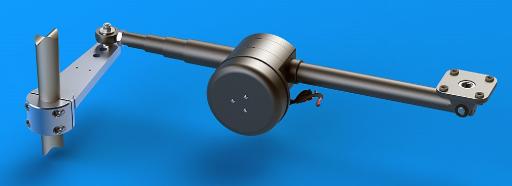
Jefa Steering Autopilot Drive
Key Components in a Jefa Steering System
Within this category you will typically find:
- Rudder bearings (self-aligning upper and lower bearings)
- Steering systems (cable or rod-based transmission systems)
- Quadrants and tiller arms for load transfer
- Steering pedestals and hubs
- Autopilot drive units and accessories
Understanding how these components interact as a system is essential when specifying replacements or upgrades.
Maintenance, Servicing and Troubleshooting
Jefa steering components are generally specified as low-maintenance, but periodic inspection remains essential. Common issues include:
- Increased steering friction (often linked to misalignment or bearing wear)
- Play in the system (cable stretch, worn sheaves, or loose connections)
- Noise under load (potential misalignment or component wear)
Routine checks should include:
- Inspection of bearings for wear or contamination
- Verification of cable tension and alignment
- Checking quadrant and fastening integrity
While composite bearings do not require regular lubrication, installation tolerances and load alignment remain critical to long-term performance.
Spare Parts, Replacement and Retrofit Considerations
Many users search for Jefa steering spare parts when addressing wear or upgrading systems. When replacing components:
- Always match rudder stock diameter and bearing dimensions precisely
- Check compatibility between old and new system geometries
- Consider upgrading to self-aligning bearings if replacing older rigid systems
Jefa systems are commonly used in refit projects, but integration into older yachts may require structural assessment of rudder tubes and load paths.
Frequently Asked Questions about Jefa Steering
What makes Jefa rudder bearings different from standard bearings?
Jefa bearings are typically self-aligning composite bearings, allowing for small angular misalignments and reducing friction compared to rigid bearing systems.
Can Jefa steering systems be retrofitted to older yachts?
Yes, but retrofit projects require careful assessment of rudder stock dimensions, tube alignment, and structural load paths.
How do I choose the correct Jefa steering system?
System selection depends on boat size, rudder loads, and steering type (cable, rod, or hydraulic). Load calculations should guide specification rather than generic sizing.
Are Jefa systems compatible with autopilots?
Yes, Jefa systems are commonly integrated with direct-drive autopilot units. Correct torque sizing is essential for reliable performance.
Do Jefa rudder bearings require maintenance?
They are designed as low-maintenance components, but regular inspection for wear, alignment, and load distribution is recommended.
What causes heavy or stiff steering in a Jefa system?
Common causes include misalignment, worn bearings, incorrect installation, or excessive rudder loads.

To install this Web App in your iPhone/iPad press
 and then Add to Home Screen.
