Rope jammers
Explore our Rope Jammers category, featuring high-performance solutions for securely holding loaded lines on your boat. Our selection includes top brands like Spinlock and Antal, ensuring reliability and durability. Rope jammer is ideal for halyards and control lines, providing a strong grip with minimal slippage for enhanced sailing efficiency. Read more...


Rope jammers are designed for sailing systems where line security is more important than frequent adjustment. On a modern yacht, halyards, tack lines, reefing lines and high-load control systems can generate loads that exceed the practical operating range of standard cleats and, in some cases, rope clutches. A correctly specified jammer provides a secure mechanical hold on the rope, reducing the risk of unwanted creep, accidental release or loss of rig tension.
Rope Jammers vs Rope Clutches
The key difference between rope jammers and rope clutches is how they are normally used. A rope clutch is designed to hold a line while still allowing controlled release or adjustment in many common deck applications. A jammer is typically selected for higher-load or more static systems where the line is not expected to be eased directly through the device. In most installations, the load is first transferred to a winch before the jammer is opened or the rope is adjusted. This makes jammers particularly relevant on larger yachts, racing yachts, offshore boats and high-performance systems using low-stretch ropes.
Choosing Rope Jammers by Rope Diameter
When choosing rope jammers, the first specification to check is rope diameter. A rope jammer must match the working diameter of the line, not only the nominal size printed on the rope reel. Modern Dyneema-core ropes, blended covers and heat-set performance lines may compress differently under load, so line compatibility matters. A jammer that is too large may not grip reliably; a jammer that is too small can damage the rope cover, increase friction or become difficult to operate. The Upffront range includes options for different line sizes, including smaller jammers for control-line applications and larger units for high-load yacht systems.
| Application | Typical line type | Key selection factor | Recommended hardware logic |
|---|---|---|---|
| Main halyard | Dyneema-core halyard | Holding load, low creep, rope-cover compatibility | Select by rope diameter, SWL and jaw type |
| Genoa / jib halyard | Low-stretch covered rope | Secure holding under sustained rig load | Check jammer SWL and release procedure |
| Code zero tack line | High-load Dyneema-core rope | Peak load and controlled release | Use a high-load jammer; transfer load to winch before release |
| Reefing line | Polyester or Dyneema-core rope | Grip under variable load | Match rope diameter and avoid excessive jaw damage |
| Runner / checkstay control | High-modulus control line | Very high load, low movement | Prioritise SWL, jaw type and deck reinforcement |
| Control lines | Smaller covered rope | Compact installation and line size | Smaller jammer or clutch may be suitable depending on load |
Safe Working Load and Line Holding Performance
The second key factor is safe working load, or SWL. This should be matched to the real working load of the application, with appropriate safety margin. A main halyard on a high-aspect rig, a code zero tack line or a loaded reefing line can see very different peak loads from a lower-load control line. The jammer, rope, deck structure, fasteners and backing arrangement should be considered as a complete load path rather than as individual components.
Jaw Design for Dyneema and Performance Rope Covers
Jaw design is another important consideration. Some rope jammers are configured for polyester-covered Dyneema-core ropes, while others use ceramic or enhanced jaw surfaces for blended covers containing high-modulus fibres. This distinction is important because rope covers can polish, glaze or flatten under repeated high load. Choosing the correct jaw type helps maintain holding performance while reducing unnecessary cover wear.
Deck, Mast and Banked Rope Jammer Installations
Mounting format should also be considered early in the selection process. Rope jammers may be installed upright on deck, side-mounted to a mast or structure, or used in banks where several lines are led aft to the cockpit. The lead into and out of the jammer must be clean and aligned with the deck organiser, turning block or winch. Poor alignment can increase friction, accelerate rope wear and place uneven side load on the jammer body. For higher-load installations, deck reinforcement, backing plates and correct fastener specification are essential.
Rope Jammer Key Brands
This category includes several jammer ranges for different sailing applications. Spinlock ZS jammers are commonly used for higher-load yacht systems and are available in multiple line-size and jaw configurations. Spinlock ZR and SUA rope jammers cover additional rope-holding requirements, including compact and specialist layouts. Antal DV jammers use a double V-grip concept intended to distribute pressure around the rope, while Ronstan rope jammers include compact options suited to smaller line diameters and banked installations.
Typical Applications for Rope Jammers
Rope jammers are most appropriate where the line is highly loaded and where unplanned release would create a handling or safety issue. Typical examples include halyards on larger yachts, code zero and gennaker tack lines, reefing systems, runner or checkstay controls, furling-related control lines and other deck systems where the load is transferred to a winch before adjustment. For lower-load, frequently adjusted lines, a rope clutch, cam cleat or V-cleat may be more suitable.
Before selecting a rope jammer, check the rope diameter, expected load, line construction, mounting space, release method and compatibility with surrounding deck hardware. A well-specified jammer should hold securely without excessive rope damage, align cleanly with the rest of the system and allow predictable handling by the crew.
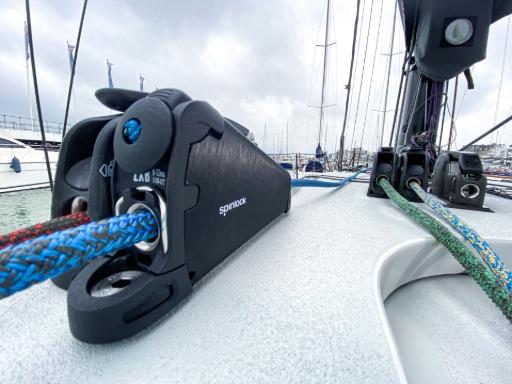
Spinlock Rope Jammers
Choosing the Right Rope Jammer
1. Match the jammer to the rope diameter
Select by the actual working rope diameter. If the line has a Dyneema core, blended cover or compact construction, check compatibility carefully rather than relying only on nominal size.
2. Check the safe working load
The jammer SWL should be appropriate for the application. Halyards, tack lines and reefing lines can generate high peak loads, especially on performance yachts or boats using low-stretch rope.
3. Choose the correct jaw type
Standard jaws may be suitable for common Dyneema-core ropes with polyester covers. Ceramic or enhanced jaw options may be more appropriate for high-load blended covers or ropes exposed to repeated slip, heat or glazing.
4. Consider release behaviour
A jammer is not normally selected for lines that need to be eased quickly by hand. In many cases, the load should be taken onto a winch before opening the jammer.
5. Plan the installation geometry
The lead angle into the jammer should be fair, with good alignment to deck organisers, turning blocks and winches. Check mounting orientation, fastener access and backing plate requirements before drilling.
Rope Jammers Technical FAQ Section
What are rope jammers used for on a sailing yacht?
Rope jammers are used to hold highly loaded sailing lines securely. Typical applications include halyards, tack lines, reefing systems, furling-related control lines and other deck systems where the line is loaded for long periods and should not move unexpectedly.
What is the difference between a rope jammer and a rope clutch?
A rope clutch is generally used where the line may need to be adjusted or released more frequently. A rope jammer is normally used for higher-load applications where the line is locked in position and the load is transferred to a winch before release or adjustment.
Can rope jammers be released under load?
In most sailing installations, the correct procedure is to take the load onto a winch before opening the jammer. This protects the rope, the hardware and the crew, especially on high-load halyards or tack lines.
How do I choose the right size rope jammer?
Start with the rope diameter range specified by the manufacturer. Then check the SWL, rope construction, jaw type, mounting layout and the application. Do not choose by boat length alone; the actual line load and rope specification are more relevant.
Why does a rope slip in a jammer?
Common causes include incorrect rope diameter, worn jaws, polished or glazed rope cover, incompatible rope construction, contamination from salt or dirt, incorrect lead angle, or loads exceeding the jammer’s intended working range.
Are rope jammers suitable for Dyneema ropes?
Yes, but the jammer and jaw type must be compatible with the rope construction. Dyneema-core ropes with polyester covers may require different jaw surfaces from blended covers using high-modulus fibres.
Should I use a jammer or a clutch for halyards?
For many cruising yachts, a rope clutch is sufficient. For larger yachts, higher-load halyards or performance applications where line creep must be minimised, rope jammers may be the more appropriate choice.

To install this Web App in your iPhone/iPad press
 and then Add to Home Screen.
