
Marine electronics on sailing yachts have shifted from isolated instruments to fully integrated data ecosystems. Wind, load, position, heading and even structural loads are now measurable, loggable and shareable in real time.
For technically minded owners, the conversation is no longer about simply “having instruments”. It is about:
- Data quality and accuracy
- Integration and interoperability
- Weight and power efficiency
- Durability in offshore environments
- Turning raw data into actionable decisions
Below are five marine electronics upgrades that stand out for 2026 — not because of marketing claims, but because they represent genuine technical progression in how performance yachts are set up and sailed.
1. SailProof Touchscreen Marine Displays – Data Where You Actually Need It
As sailing systems become more digitised, access to information from the cockpit has become critical. Navigation, AIS, performance data, battery management and rig loads are increasingly consolidated into central processors. The bottleneck is often not the data — it is access and visibility.
SailProof touchscreen marine displays address a very practical issue: how to mount and protect consumer-grade tablets and professional MFDs in a genuinely marine environment.
From a technical standpoint, what matters is:
- Waterproof protection without compromising touchscreen sensitivity
- UV stability and optical clarity
- Secure mounting solutions for high-load, high-vibration environments
- Compatibility with iOS and Android-based navigation and performance software
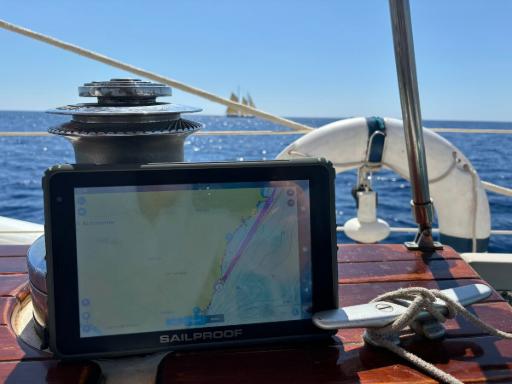
For owners running Expedition, Adrena, or app-based systems alongside NMEA 2000 networks, cockpit access to full data sets is no longer optional. SailProof systems enable that without resorting to bulky fixed installations.
In a world where more data is available than ever, reliable cockpit access is becoming one of the most overlooked marine electronics upgrades.
2. FT Technologies FT6 Ultrasonic Wind Sensor – Solid-State Wind at the Highest Level
Mechanical wind sensors are still common, but they introduce moving parts, inertia, wear and calibration drift.
The FT Technologies FT6 ultrasonic wind sensor represents a different approach. With no moving parts, it uses acoustic measurement to determine wind speed and direction.
Why this matters technically:
- No bearings to wear
- No mechanical inertia affecting light-air response
- High-frequency sampling
- Exceptional durability in extreme environments
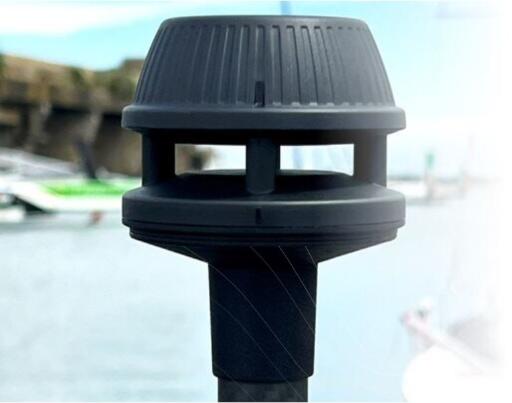
The FT6 is widely used at the top end of the sport, including IMOCA 60 campaigns and SailGP programmes. Importantly, this technology originates from commercial and industrial applications where reliability and measurement integrity are mission-critical.
For performance yacht owners, this is genuine trickle-down technology. The compact form factor also makes it viable for high-performance cruiser-racers where masthead weight and windage are considerations.
For those serious about polar accuracy, sail crossover optimisation and performance modelling, wind data quality is foundational. The FT6 sits at the very top of that conversation.
3. Marine Electronics for Rig Load Monitoring: Cyclops Smarttune & Smartlink
Rig tuning has historically been based on tension gauges, rule-of-thumb percentages and experience. Once off the dock, most yachts have had little to no visibility of real rig loads.
Cyclops Marine’s Smarttune and Smartlink systems change that.
These load sensors integrate with a free app to provide:
- Guided dockside rig setup
- Real-time load monitoring under sail
- Configurable overload warnings
- Load logging and historical data analysis
- Service interval guidance based on actual usage
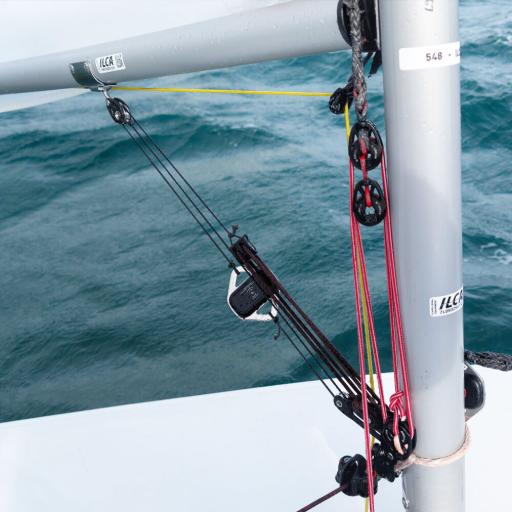
The technical significance here is substantial. OEM boat builders are beginning to recognise that structural load monitoring is not just for grand prix race programmes. It improves safety, repeatability and longevity.
For owners, it means:
- Evidence-based rig tuning
- Reduced risk of overloading spars and standing rigging
- Better understanding of sail plan balance
- Data-backed maintenance decisions
In many ways, this represents one of the more potentially disruptive developments in marine electronics. Bringing real structural load data into mainstream sailing could change how yachts are set up and maintained.
4. Vakaros Atlas 2 – GPS Performance Data Without the Complexity
Over the past three years, the Vakaros Atlas 2 has established itself as one of the most widely adopted GPS sailing instruments in dinghy and keelboat racing.
Its appeal is not marketing-driven. It is technical.
Key differentiators include:
- High-accuracy GPS positioning
- Fast update rates
- Integrated compass and heel sensing
- Strong battery life in a compact format
- Seamless connectivity for data export and analysis
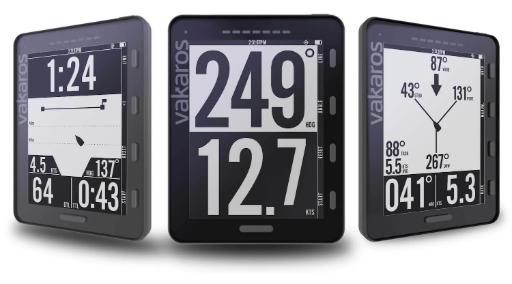
For performance sailors, what matters is usable data:
- Real-time speed trends
- Start line bias and distance calculations
- Heading and tactical awareness
- Post-race performance review
Atlas 2 achieves this without requiring a full onboard network. That simplicity is a major reason it has been adopted across classes.
For owners running both a keelboat and a dinghy programme, it is one of the most efficient marine electronics upgrades available: lightweight, portable and performance-focused.
5. Mantagua NAVISLIM & TINY – When Navigation Lights Become Performance Equipment
Navigation lights are rarely discussed in the context of performance sailing. Yet for short-handed offshore racing and mini-transit fleets, weight, power draw and durability are critical.
The Mantagua TINY navigation light range was developed specifically for the Mini 6.50 fleet. The design brief was clear:
- Minimal weight
- Minimal size
- Certified output
- Low power consumption
- High reliability in offshore conditions
This niche focus has proven effective. The TINY range demonstrates how even seemingly basic marine electronics can be engineered for performance programmes.
Building on that philosophy, the new Mantagua NAVISLIM range brings similar thinking to mainstream sailing yachts. With Wheelmark certification and suitability primarily for yachts in the 12–20m range, NAVISLIM offers:
- Slim form factor
- Efficient LED output
- Robust construction for offshore use

For performance-oriented cruiser-racers, navigation lighting is no longer just a compliance item. Weight distribution, power management and reliability offshore are all part of the design equation.
Marine Electronics in 2026 – Data, Reliability and Integration
If there is a theme running through marine electronics in 2026, it is this:
- Measurement is becoming more precise.
- Systems are becoming more integrated.
- And data is becoming actionable.
From ultrasonic wind sensors to rig load monitoring, from cockpit-mounted data displays to compact GPS performance instruments, serious sailing programmes are increasingly data-driven.
For technically minded yacht owners, the question is no longer whether to upgrade marine electronics — but which data streams genuinely improve performance, safety and longevity.
These five systems represent areas where we see meaningful technical progression rather than incremental cosmetic updates. If you are reviewing your boat’s electronics stack for the coming season, these are all worth closer examination.
If you have any questions about marine electronics, please feel free to contact us and talk to one of our sailing experts or to see our full range click below:

 and then Add to Home Screen.

Marine Electronics in 2026 – From Instruments to Integrated Data Systems