PSP
PSP Marine Tapes, based in Southampton, UK, produces self-adhesive tapes for sail repair, rigging protection and onboard maintenance. The range covers ripstop nylon spinnaker tape, Dacron sail repair tape and patches, clear Mylar tape for laminate sails and windows, and self-amalgamating rigging tape. It also includes low-friction anti-chafe patches, SOLAS retro-reflective tape, aluminium ventilation tape and cloth and duct tapes. Select by sail cloth, load and service temperature. Read more below.
|
|
|
|
|
|
|
|
|
|
|
|
|
|
|
|
|
|
|
|
PSP sail repair tape: match the tape to the sailcloth
Tape that stretches differently from the cloth will peel or distort the panel.
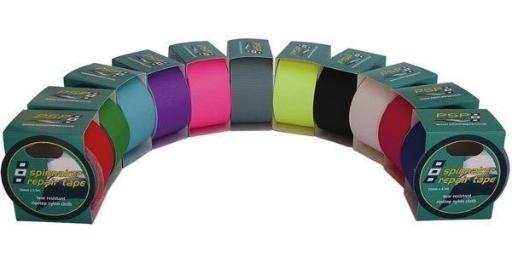
- PSP Spinnaker Tape (50 mm × 4.5 m) is self-adhesive ripstop nylon, for spinnakers, gennakers and other lightweight nylon sails. It comes in 12 colours.
- PSP Dacron Tape (75 mm × 1.5 m) and PSP Dacron adhesive cloth (2 × 24 × 37 cm patches) are woven polyester for mainsails, genoas and covers. Use the patches when a tear is wider than the tape.
- PSP Mylar tape (50 mm or 150 mm × 3 m) is a clear polyester film, listed by stockists at 50 micron. Use it on laminate sails and clear sail windows, where low stretch and transparency matter.
For the strongest bond, follow these steps:
- Degrease and dry both sides of the cloth.
- Round the patch corners to about a 25 mm radius.
- Overlap the tear by 25–40 mm.
- Apply tape on both sides and rub it down firmly before loading the sail.
Adhesive sail tapes creep under sustained load in heat. At a leech, clew or other high-load area, treat tape as a temporary repair until you can stitch through it or a sailmaker can repair it.
PSP self-amalgamating tape for rigging
PSP self-vulcanising tape (19 mm or 25 mm × 5 m, white) has no adhesive. You stretch it as you wrap with about a 50% overlap, and the layers fuse into a solid sleeve that you can cut off without leaving residue. Typical uses are covering split pins on rigging screws, padding spreader ends, finishing rope ends, and sealing electrical joints. Taped fittings cannot be seen, so remove and inspect them as part of every rig check.
PSP anti-chafe patches
Each pack holds four clear, low-friction film patches. Two are 125 × 150 mm at 250 micron, and two (100 × 125 mm and 75 × 125 mm) are 130 micron. Cut them to shape to protect gelcoat and varnish at fairleads, cleats, coamings, spinnaker chute mouths and centreboard cases. Use the thicker film where a line runs under load and the thinner film on tight curves.
Safety and maintenance tapes
- PSP SOLAS reflective strips (50 mm × 1 m) conform to IMO Resolution A.658(16) and carry the SOLAS approval mark. Use them on lifebuoys, liferafts, lifejackets and dan buoys.
- PSP aluminium foil tape (50 mm × 7 m) has an acrylic adhesive rated −20 °C to +120 °C, for sealing warm-air heater ducting and ventilation hose joints.
- PSP cloth tape (50 mm × 5 m, light grey) is UV-resistant and removes cleanly.
- PSP duct tape (50 mm × 5 m) comes in black, white, red, blue and transparent, for general repairs. It is not a substitute for sail repair tape on loaded sailcloth.
About PSP Marine Tapes
PSP Marine Tapes is based in Park Gate, Southampton, and supplies chandlers, boatbuilders and sailmakers. Its retail packs can be recognised by the "Papa Sierra Papa" signal flags.
PSP Marine Tapes
PSP Marine FAQ block
Which PSP sail repair tape should I use on my sail?
Match it to the sailcloth:
- Ripstop nylon spinnaker tape: spinnakers, gennakers and other lightweight nylon sails.
- Dacron tape or Dacron patches: woven polyester mainsails, genoas and covers.
- Clear Mylar tape: laminate sails and sail windows.
A tape with a different stretch from the cloth tends to peel or distort the panel.
Is a taped sail repair permanent?
Usually not on a loaded area. Adhesive tapes creep under sustained load, especially in heat. On light-air sails or low-load panels, a well-applied repair taped on both sides can last a long time. On a leech, clew, head or high-load seam, treat it as temporary until it can be stitched through or repaired by a sailmaker.
How do I apply sail repair tape correctly?
- Clean off salt and grease, and let the cloth dry.
- Lay the sail flat with the tear closed.
- Round the tape corners to about a 25 mm radius so the edges cannot lift.
- Overlap the tear by 25–40 mm.
- Rub the tape down firmly, then repeat on the other side.
- Give the adhesive time to bond before you load the sail.
When should I use a Dacron patch instead of tape?
When the tear is wider than the 75 mm tape, or is an L-shaped or triangular tear. The 24 × 37 cm Dacron patches can be cut to cover the whole damaged area with enough overlap on both sides of the sail.
What is the difference between self-amalgamating and self-vulcanising tape?
They are the same type of tape. It has no adhesive and fuses to itself when stretched and wrapped over the previous turn. Because nothing sticks to the fitting, it cuts away cleanly with no residue. That makes it suitable for rigging screws, split pins and electrical joints that need to be uncovered for inspection.
Should I tape split pins on my rigging screws?
Taping stops sharp pin ends from snagging sheets, sails and crew, and self-amalgamating tape lasts better there than adhesive tapes. The trade-off is that you can no longer see the pin or the rigging screw. Many riggers prefer to bend the pins flat and leave them visible. If you tape them, cut the tape away and inspect the fittings at every rig check.
What thickness of PSP anti-chafe patch should I use?
- 250 micron: flat or gently curved areas where a line runs under load, such as a coaming or fairlead.
- 130 micron: tighter curves, where thicker film would lift at the edges.
Where should SOLAS reflective tape be fitted?
On life-saving equipment that needs to be found in the water or in the dark: lifebuoys, dan buoys, liferaft canopies and lifejackets. PSP SOLAS strips conform to IMO Resolution A.658(16), which sets out the performance and placement of retro-reflective material on life-saving appliances.
What is PSP aluminium tape used for on a boat?
Sealing and repairing joints in warm-air heater ducting and ventilation hose. Its acrylic adhesive is rated from −20 °C to +120 °C, and the foil reflects radiant heat.

To install this Web App in your iPhone/iPad press
 and then Add to Home Screen.
