Furling systems
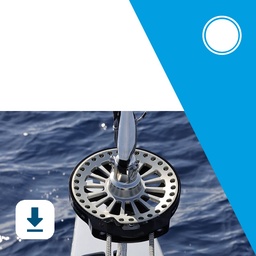
Furling systems, commonly referred to as furlers or furlings, are essential components in sailing that optimize the efficiency and convenience of managing sails. A furling system allows sailors to easily reef or roll up sails, adapting to changing wind conditions and simplifying sail handling. A furler, or furling unit, is the mechanical device responsible for rolling or unfurling a sail. This innovation eliminates the need for labor-intensive manual adjustments and enhances safety by enabling sailors to control sail area without leaving the cockpit. Modern sailboats often feature furling systems for jibs, genoas, and mainsails. Read more...



Furling Systems for Sailing Yachts
Modern furling systems are a core component of contemporary sail handling, allowing controlled deployment, reefing, and stowage of headsails and downwind sails under load. Whether fitted to a cruising yacht prioritising reliability or a performance-oriented boat seeking reduced friction and precise sail shape control, furling solutions must be matched carefully to rig geometry, sail plan, and operating loads. This category covers manual and powered furling systems designed for use with genoas, staysails, Code 0s, and asymmetric sails across a wide range of yacht sizes.
Engineering Principles of Furling Systems
At a technical level, furling systems are defined by their load path management, bearing design, extrusion profiles, and torsional stiffness. The ability to furl a sail smoothly under varying halyard tensions and apparent wind angles depends largely on bearing efficiency and structural alignment.
Most high-quality furling systems use sealed stainless steel or composite bearings, often running in grease baths or low-friction races to minimise maintenance and ensure consistent performance over time. The choice between plain bearings and ball or roller bearings directly influences furling torque and long-term durability, particularly on larger headsails subjected to high luff loads.
Extrusions are typically manufactured from marine-grade aluminium alloys, selected for stiffness-to-weight ratio and resistance to fatigue. Profile geometry varies depending on application: cruising systems often prioritise robustness and ease of assembly, while performance-oriented furling systems use aerofoil-shaped extrusions to reduce windage and improve sail entry angle.
Manual vs Motorised Furling
Manual furling systems remain the standard solution for the majority of cruising and club-racing yachts. These systems rely on a furling drum, torque transmission through the foil or anti-torsion cable, and controlled line handling from the cockpit. Correct drum sizing and line lead geometry are essential to avoid overrides and uneven furling, particularly when reefing partially rather than fully furling.
Motorised furling systems, available in electric or hydraulic configurations, are increasingly specified on larger yachts and short-handed cruising boats. These systems are engineered to deliver controlled torque at low speed, allowing sails to be furled under load without excessive peak stresses. Key technical considerations include power consumption, duty cycle, waterproofing of drive units, and integration with onboard electrical or hydraulic systems.
Downwind and Structural Furling Applications
Beyond conventional headsail furling, modern furling systems are widely used for Code 0s, top-down furling gennakers, and structural furling sails. These applications place greater emphasis on torsional rigidity and precise torque transfer.
Structural furling systems typically use high-modulus anti-torsion cables integrated into the sail luff, allowing the sail to act as a load-bearing element. In these cases, furling efficiency depends on both system hardware and sail construction, with correct halyard swivel alignment playing a critical role. Top-down furling systems for asymmetric sails require carefully tuned swivel geometry to ensure controlled roll-down from the head, reducing the risk of hour-glassing.
Materials and Corrosion Resistance
Given their exposed position at the bow, furling systems must withstand continuous UV exposure, saltwater ingress, and cyclic loading. Leading manufacturers specify hard-anodised aluminium extrusions, duplex or AISI 316 stainless steel components, and UV-stable composite drums and covers.
Sealing of bearings and drive units is a critical design factor, particularly for motorised furling systems. Long-term reliability depends not only on material selection but also on effective isolation between dissimilar metals and controlled drainage paths to prevent crevice corrosion.
Leading Furling System Brands
This category includes furling systems from established manufacturers such as Profurl, Bamar, Harken, Facnor, Karver, and Ubi Maior. While each brand approaches design differently, common themes include modular construction, scalable system sizing, and compatibility with modern rig configurations.
- Profurl furlers are widely specified for both cruising and racing yachts, with sealed bearing assemblies and robust extrusion designs suitable for long-term offshore use.
- Bamar furlers focus on precision-engineered components, with particular expertise in electric and hydraulic furling systems for larger yachts and superyachts.
- Harken furlers integrate closely with deck hardware and rigging components, offering low-friction solutions aligned with performance and race-oriented applications.
- Facnor furlers are commonly used in offshore and shorthanded sailing, especially for Code 0 and downwind furling where torsional stiffness is critical.
- Karver furlers are engineered with a strong emphasis on structural load management, often using continuous fibre load paths and compact drum designs suited to high-load, performance-driven sail plans.
- Ubi Maior furlers are typically specified for larger yachts and custom projects, with modular architectures and engineering-led solutions designed to integrate with complex rig and sail configurations.
Selecting the Correct Furling System
Choosing the correct furling system requires careful evaluation of stay length, maximum sail area, luff tension, and expected operating loads. Overspecifying can add unnecessary weight aloft, while underspecifying compromises safety and longevity. Compatibility with existing deck layout, forestay diameter, and sail inventory should always be assessed before installation.
For refits, attention should also be paid to installation tolerances, alignment of the forestay, and serviceability of bearings and drums. Correct setup has a significant impact on furling performance, friction levels, and wear characteristics over time.
A Technical Approach to Sail Handling
Well-engineered furling systems reduce crew workload, improve safety on deck, and enable more efficient sail management across a wider range of conditions. When correctly specified and installed, modern furling solutions form an integral part of a yacht’s rigging system rather than a convenience add-on.
This category brings together furling systems designed for technically minded sailors who prioritise reliability, mechanical efficiency, and long-term performance across cruising, racing, and offshore sailing applications.
Still unsure about what you need? Upffront has prepared a complete Code Zero & Gennaker Furling Guide, available for free download. If you have any additional questions or need expert advice, please feel free to contact our sailing specialists.

To install this Web App in your iPhone/iPad press
 and then Add to Home Screen.
